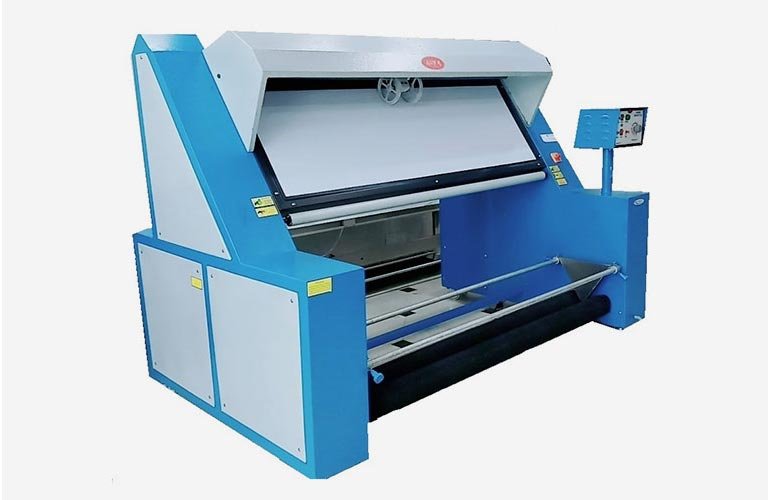
7 Fabric Defects to look out for a while performing Fabric Inspection
The one thing that drives all your efforts as a garment importer is to anticipate the satisfaction of your customers when they buy a garment from your product line. And this stays on your mind whenever you tour your supplier’s factory.
But when you do not find the quality of the fabric up to your standards, instead identify various loopholes, it gets you thinking on the extent of fabric wastage and penalty points based on the 4-point inspection system.
These defects can reflect the countless issues ranging from the color shading variations to drop stitches and many more. However, for a garment importer, it becomes vital to understand the different types of defects in the fabric inspection. This makes them not only vigilant but proactive to identify them and eliminate wastage at the early stage.
1. HORIZONTAL LINES
Horizontal lines in the fabric are defined by the irregular side-to-side line. The most common reasons for horizontal lines are:
- Faults in the bobbin (the barrel used to hold the yarn in place)
- Irregular thread tension
- Causes and prevention of horizontal lines
- Preventing the appearance of horizontal lines in the fabric is quite straightforward. Regularly replace the bobbin and frequently check thread tension and positioning.
2. SHADE VARIATION
Shade variation is one of the obvious defects found on raw textiles; it is defined by the variation in the depth of color and shade from piece to piece and roll to roll. Shade variation in a fabric is caused by:
- Mixing of fabrics used in production
- Variations in the production process with regard to time and speed
- Improper cutting, bundling, and/or numbering
- Unequal fabric stretching
- Causes and prevention of shade variation
- Using the same base material and set of parameters for each production lot can effectively prevent shade variation. To overcome this issue, it is vital that when you visit a fabric factory manufacturing raw textiles, it becomes crucial to ensure that the factory workers are combining the same color garments. Moreover, it is also important to make sure that the workers do not opt for shortcuts to bundle and cut the fabric. This can be achieved by numbering the textiles which will prevent the mistaken combining of cuts in varied shades.
3. DIRT/STAINS
Dirt or Stain is a common issue that comes in the dyed fabric. They are usually defined as patched or spots in different colors. Dyed fabric can never be safe from dirt or stains considering they occur at any stage of production. Therefore, if the fabric is not kept in an area with sufficient protection after the dyed process, it can easily develop stains. Fabric stains can develop from any source, be it dirt on the factory floor, dyes during the process, or oil from the machinery. While stains are easy to spot and prevent, the manufacturer and supplier have to be vigilant about the quality of the fabric. Moreover, the stains can also be prevented during production by regular and proper cleaning of equipment, machines to ensure that no oil, dyes, or grease is spilled on the fabric. Alongside this, if the textile manufacturer wraps the fabric finished rolls in plastic and stores them in a separate area from the dying area to avoid any post-production stains.
4. UNEVEN DYEING/PRINTING/DYE MARKS
Uneven or Dye marks are the irregular spots that occur on the surface of raw textiles. Dye marks are a result of:
- fabric defects
- Low-quality base fabric
- Improper leveling agents
- Incorrect pH in the production process
- Dye machine entanglement
- Causes and prevention of dyeing/printing/dye marks
- Ensuring there are no initial problems with the base fabric prior to stitching can help prevent dye marks. Any issues missed will be present in later production processes.
Upon maintaining the correct pH level, using a dying agent and a backup power generator ensures that the production machines don’t shut down during use.
5. DROP STITCHES
Drop stitches are one of the most common quality issues found in raw textiles. These are holes or missed stitches that appear randomly on the fabric. Drop stitches are usually caused by:
- Incorrect set-up of yarn carriers
- Knots
- Yarn overfeeding or underfeeding
- Loose stitching during the production process
- Causes and prevention of drop stitching
- Checking the yarn carrier and any other machines to verify they’re set to the right tension during production can prevent drop stitches.
You can minimize the occurrence of drop stitching in your fabric or textile by regulating the yarn feed rate.
6. MISPRINTING, OFF PRINTING, OR ABSENCE OF PRINTING
Misprint defects are relevant to printed fabrics. It occurs when the print of the fabric does not match the specified design. This is usually displayed in one of the following ways:
- Colors and/or patterns are completely or partially missing
- Colors and patterns are incorrectly positioned relative to each other
- Causes and prevention of misprinting
- Misprints are most often the result of fabric defects
- Wrong dyeing recipe
- Wrong leveling agent
- Incorrect dye combinations in lots
- Improper scouring of grey fabric
- Implementing uniform dyeing, leveling, and scouring processes can help prevent misprinting.
If the manufacturer is sourcing a printed fabric, they need to make sure it is provided with clear specifications regarding the colors and patterns of the printed fabric.
7. CREASE MARKS
A crease mark is a visible deformation in fabric, and it differs from a crease streak since it is unlikely to appear for an entire roll. It rather appears in just one spot on the fabric.
- If the final pressing cannot restore the fabric to the original condition, a crease mark will be left on the final product.
- Discoloration can also be a problem associated with this fabric defect.
- Crease marks often happen when fabric passes through squeeze rollers in the dyeing process. Creasing is inevitable as the fabric is fed through machines in rope form. But if properly handled, crease marks should not be permanent.
- Crease marks can be caused by:
- Inadequate preparation, relaxation, or bulking of fabric
- Poor quality of fabric: a tight construction, high twist yarns, or dense weight
- Poor suitability of machine: not moving folds properly
- Incorrect loading of fabric into machine, resulting in the twisted or knotted rope
- Excessively rapid heating or cooling rates
- Along with rectifying these issues, using anti-crease agents during the scouring process prior to dyeing can help prevent crease marks.
If the manufacturer is sourcing a printed fabric, they need to make sure it is provided with clear specifications regarding the colors and patterns of the printed fabric.
Read More

 7 Fabric Defects to look out for a while performing Fabric Inspection
The one thing that drives all your efforts as a garment importer is to anticipate the satisfaction of your customers when they buy a garment from your product line. And this stays on your mind whenever you tour your supplier’s factory. But when you do not find the quality of the fabric up to your standards, instead identify various loopholes, it gets you thinking on the extent of fabric wastage..
7 Fabric Defects to look out for a while performing Fabric Inspection
The one thing that drives all your efforts as a garment importer is to anticipate the satisfaction of your customers when they buy a garment from your product line. And this stays on your mind whenever you tour your supplier’s factory. But when you do not find the quality of the fabric up to your standards, instead identify various loopholes, it gets you thinking on the extent of fabric wastage..
 How are Steam Boilers used in breweries?
Purchasing a boiler is the most vital investment that a craft brewery makes. Choosing the appropriate one either a steam or diesel fired boiler, is crucial to making sure that your brewery is meeting production demands while keeping high quality without wasting energy and time n many ways, a steam boiler is the basis for the brewery success and even the best In many ways, a steam boiler is the basis for the brewery success and even the best breweries in the world wouldn’t be able to...
The Right Temperature, Pressure, And Processing Time Define the Right Fusing Press
Purchasing a boiler is the most vital investment that a craft brewery makes. Choosing the appropriate one either a steam or diesel fired boiler, is crucial to making sure that your brewery is meeting production demands while keeping high quality without wasting energy and time n many ways, a steam boiler is the basis for the brewery success and even the best In many ways, a steam boiler is the basis for the brewery success and even the best breweries in the world wouldn’t be able to...
How are Steam Boilers used in breweries?
Purchasing a boiler is the most vital investment that a craft brewery makes. Choosing the appropriate one either a steam or diesel fired boiler, is crucial to making sure that your brewery is meeting production demands while keeping high quality without wasting energy and time n many ways, a steam boiler is the basis for the brewery success and even the best In many ways, a steam boiler is the basis for the brewery success and even the best breweries in the world wouldn’t be able to...
The Right Temperature, Pressure, And Processing Time Define the Right Fusing Press
Purchasing a boiler is the most vital investment that a craft brewery makes. Choosing the appropriate one either a steam or diesel fired boiler, is crucial to making sure that your brewery is meeting production demands while keeping high quality without wasting energy and time n many ways, a steam boiler is the basis for the brewery success and even the best In many ways, a steam boiler is the basis for the brewery success and even the best breweries in the world wouldn’t be able to...
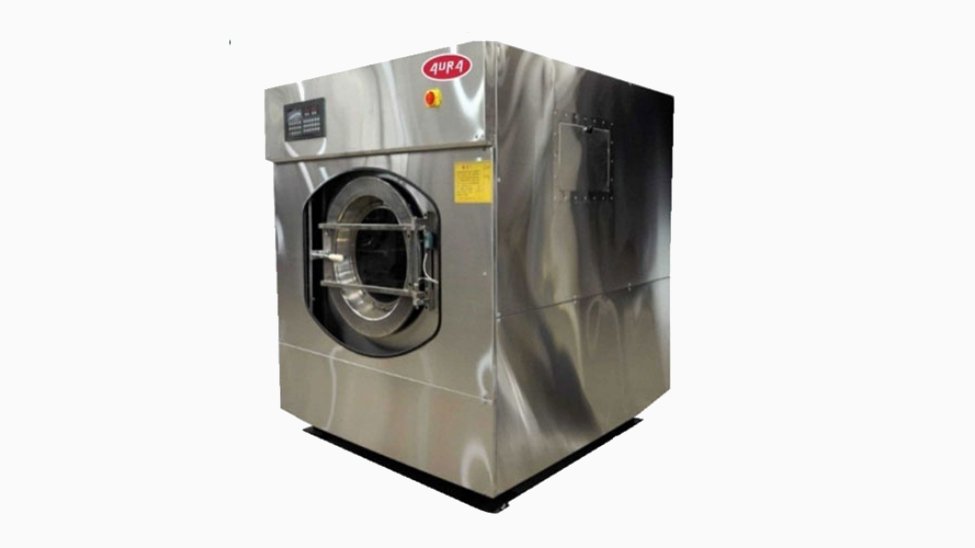 A Guide to Industrial Washing Machine Needs!
Long gone are the days when hand washing clothes in river or pond water was the only resort people had. With the technology uprising, we have fabric-specific and industry-specific washing machines to make our lives easier and cater to distinct needs. However, there are a few things that still cannot be cleaned at your home, no matter how excellent or high-quality a washing machine you have.
This is especially true for those delicate clothes, expensive shoes, or the classy carpet..
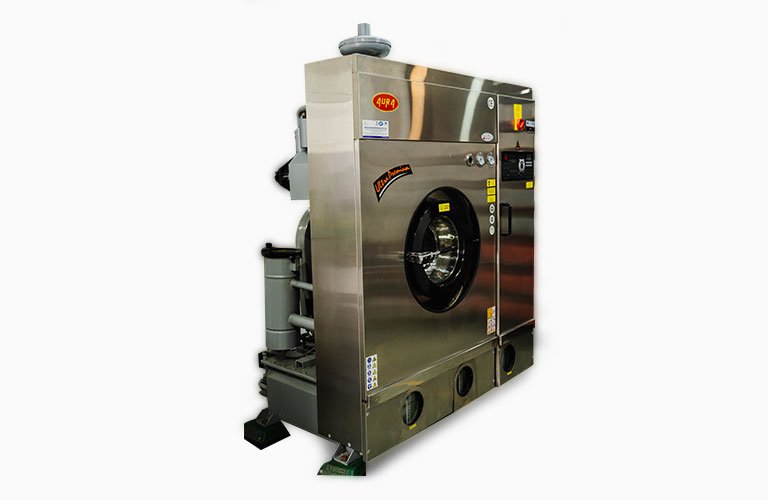
Eliminate Garment Odour and Sanitise it with Laundry Machines
It is never a pleasant experience to wear clothes that are fresh from the dryer but still exude a strong odour. Moreover, the current Pandemic has taken us down the road of hygiene diligently, and now a customer does not just expect clean clothes that are odour free but also sanitised.
And why not? Sanitisation is an essential requirement that keeps us protected against germs..
A Guide to Industrial Washing Machine Needs!
Long gone are the days when hand washing clothes in river or pond water was the only resort people had. With the technology uprising, we have fabric-specific and industry-specific washing machines to make our lives easier and cater to distinct needs. However, there are a few things that still cannot be cleaned at your home, no matter how excellent or high-quality a washing machine you have.
This is especially true for those delicate clothes, expensive shoes, or the classy carpet..
Eliminate Garment Odour and Sanitise it with Laundry Machines
It is never a pleasant experience to wear clothes that are fresh from the dryer but still exude a strong odour. Moreover, the current Pandemic has taken us down the road of hygiene diligently, and now a customer does not just expect clean clothes that are odour free but also sanitised.
And why not? Sanitisation is an essential requirement that keeps us protected against germs..
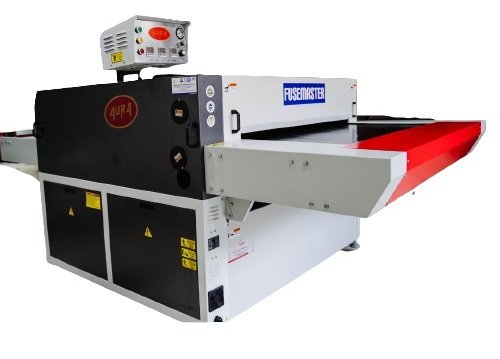 What is a Fusing Machine?
Fusing Machines are used in the garment industry to fuse a material capable of being fused to a base fabric through the process of pressure, heat, and time. The fused material should have acceptable strength, the ability to stand continuous wash, or any fabric treatment.
This extremely vital process that defines and maintains the quality of the garment involves holding the fabric and interlinking the conveyor belt while heating..
What is a Fusing Machine?
Fusing Machines are used in the garment industry to fuse a material capable of being fused to a base fabric through the process of pressure, heat, and time. The fused material should have acceptable strength, the ability to stand continuous wash, or any fabric treatment.
This extremely vital process that defines and maintains the quality of the garment involves holding the fabric and interlinking the conveyor belt while heating..